

Sustainable waste disposal is more than just an environmental responsibility—it’s a strategic advantage for many businesses. Companies across industries are recognizing that reducing waste not only helps the planet but also improves operational efficiency, reduces costs, and enhances brand reputation. With increasing regulations and consumer demand for greener business practices, adopting eco-friendly waste disposal methods is no longer optional—it’s essential.
But where should businesses start? The key lies in rethinking waste management strategies and implementing solutions that minimize environmental impact while maximizing resource recovery. In this article, we’ll explore seven smart strategies for sustainable waste disposal, helping your business reduce waste, stay compliant, and contribute to a more circular economy.
1. Conduct a Waste Audit
Before making any changes to your waste disposal strategy, it’s crucial to understand what waste your business generates. A waste audit is the first step toward sustainable waste disposal, providing valuable insights into how much waste you produce, where it comes from, and what can be reduced, reused, or recycled.
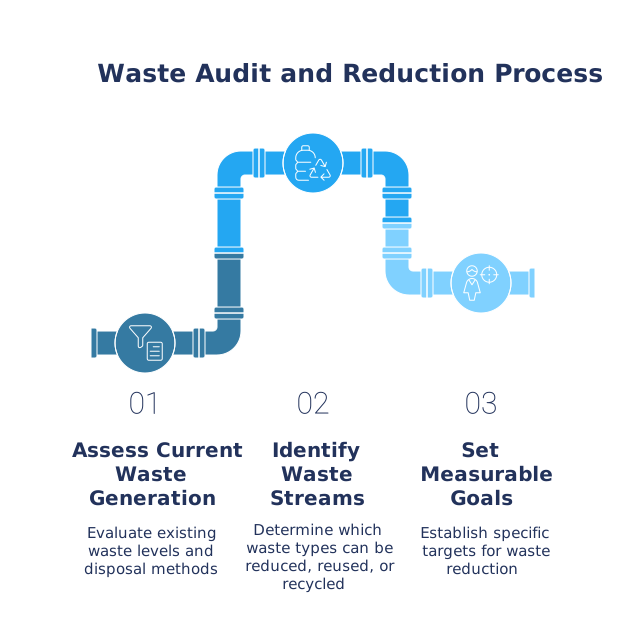
How to Conduct a Waste Audit:
- Identify waste streams – Categorize waste into materials like paper, plastics, food waste, hazardous waste, and recyclables.
- Measure waste generation – Track how much waste your company produces daily, weekly, or monthly.
- Analyze disposal methods – Determine what percentage of waste is being landfilled, incinerated, recycled, or composted.
- Set waste reduction goals – Use audit findings to establish clear sustainability objectives, such as cutting landfill waste by 30% or increasing recycling rates by 50%.
A well-executed waste audit helps businesses make data-driven decisions about waste reduction. By identifying inefficiencies and areas for improvement, companies can implement smarter waste disposal strategies that save money, improve compliance, and support sustainability goals.
2. Prioritize Waste Reduction at the Source
One of the most effective ways to achieve sustainable waste disposal is to prevent waste from being created in the first place. Source reduction focuses on minimizing waste production by rethinking materials, processes, and consumption habits before disposal becomes necessary. By eliminating waste at its origin, businesses can reduce disposal costs, lower their environmental impact, and improve operational efficiency.
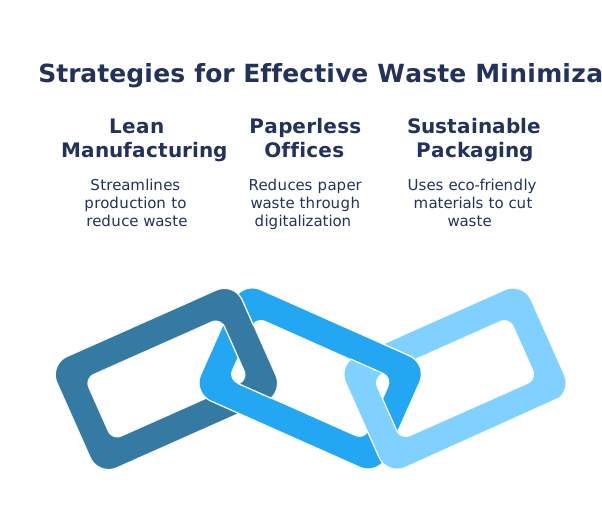
Ways to Reduce Waste at the Source:
- Optimize Supply Chain and Inventory Management
- Order only what’s needed to avoid overproduction and excess waste.
- Work with suppliers to reduce packaging or switch to recyclable/compostable alternatives.
- Embrace Digital Transformation
- Shift from paper-based processes to digital documentation to reduce paper waste.
- Encourage electronic communication and cloud storage to eliminate unnecessary printing.
- Reduce Single-Use Materials
- Replace disposable packaging and utensils with reusable or biodegradable alternatives.
- Encourage employees to use reusable coffee cups, water bottles, and lunch containers.
- Design for Sustainability
- Use materials that are durable, recyclable, or biodegradable in product design.
- Implement modular product designs to allow for easier repairs and component reuse.
By prioritizing waste reduction at the source, businesses not only cut down on waste management expenses but also contribute to a more sustainable circular economy.
3. Establish a Robust Recycling Program
Once waste reduction strategies are in place, the next step toward sustainable waste disposal is to ensure that recyclable materials are properly managed. A well-structured recycling program helps businesses divert waste from landfills, lower disposal costs, and support environmental conservation efforts. However, simply placing recycling bins around the workplace isn’t enough—proper education, infrastructure, and partnerships are key to success.

How to Build an Effective Recycling Program:
- Provide Clearly Labeled Recycling Stations
- Use color-coded bins with clear signage to distinguish between paper, plastics, metals, glass, and organic waste.
- Place bins in high-traffic areas such as break rooms, cafeterias, and office spaces to encourage participation.
- Educate Employees on Proper Recycling Practices
- Offer training sessions or informational materials to help employees understand what can and cannot be recycled.
- Address common recycling mistakes, such as contaminating recyclables with food waste or non-recyclable plastics.
- Partner with Reputable Recycling Vendors
- Work with local or national recycling companies to ensure collected materials are properly processed.
- Verify that recyclables are being sorted and repurposed rather than ending up in landfills due to contamination.
- Incorporate Incentives and Engagement Strategies
- Recognize departments or teams that excel in recycling efforts.
- Launch waste reduction challenges to encourage participation and increase recycling rates.
By implementing a structured recycling program, businesses can significantly reduce landfill waste and move toward a more sustainable, circular waste management system.
4. Explore Waste-to-Energy Solutions
Even with strong waste reduction and recycling programs, some waste materials cannot be reused or repurposed. Instead of sending these materials to a landfill, businesses can turn to waste-to-energy (WTE) solutions—a sustainable waste disposal method that converts non-recyclable waste into usable energy, such as electricity or heat.

How Waste-to-Energy Works
Waste-to-energy facilities use various processes to convert waste into power, including:
- Incineration – Burning waste at high temperatures to generate heat, which is then converted into electricity.
- Gasification & Pyrolysis – Using controlled heat and chemical reactions to break down waste and create synthetic fuels or gas.
- Anaerobic Digestion – Breaking down organic waste (such as food scraps) in oxygen-free environments to produce biogas and nutrient-rich compost.
Benefits of Waste-to-Energy Solutions
- Reduces landfill dependency – Helps divert waste from overcrowded landfills and lowers methane emissions.
- Generates renewable energy – Converts waste into electricity or fuel, reducing reliance on fossil fuels.
- Lowers greenhouse gas emissions – Many WTE technologies emit fewer greenhouse gases than landfill decomposition.
- Creates a circular waste management system – Businesses can recover value from materials that would otherwise be discarded.
Real-World Applications
- PPE Recovery Programs – Hard-to-recycle personal protective equipment (PPE) can be processed in WTE systems, reducing environmental impact.
- Industrial Waste-to-Energy Partnerships – Many manufacturers and large-scale operations are adopting WTE strategies to cut waste disposal costs and meet sustainability goals.
Waste-to-energy solutions bridge the gap between waste reduction and landfill diversion, offering businesses an innovative way to manage non-recyclable waste responsibly.
5. Implement Composting for Organic Waste
Organic waste, including food scraps, yard trimmings, and biodegradable materials, makes up a significant portion of landfill waste. However, instead of allowing these materials to decompose in landfills and release harmful methane emissions, businesses can adopt composting programs to turn organic waste into nutrient-rich soil amendments. Composting is an effective and environmentally friendly waste disposal method that supports sustainability and reduces overall waste output.

How Composting Works
Composting is a natural process that breaks down organic matter into fertile compost that can be used to enrich soil and support plant growth. Businesses can implement composting in different ways, depending on their needs:
- On-Site Composting – Ideal for companies with outdoor space, such as restaurants, hotels, or corporate campuses, where food scraps and organic waste can be composted directly.
- Off-Site Composting – Partnering with commercial composting facilities allows businesses to collect organic waste and send it to locations that process and repurpose it.
- Vermicomposting – Using worms to break down organic waste into high-quality compost, ideal for smaller-scale office programs.
Benefits of Composting for Businesses
- Reduces landfill waste – Diverts food and organic materials from landfills, cutting down on overall waste volume.
- Decreases methane emissions – Organic waste decomposes aerobically in composting systems, preventing the production of methane gas.
- Supports local agriculture and landscaping – Compost can be used in community gardens, farms, and landscaping projects.
- Lowers disposal costs – Businesses that generate a high volume of food waste can save money on landfill fees by composting instead.
How Businesses Can Get Started with Composting
- Evaluate organic waste streams – Identify how much food waste or biodegradable material your business produces.
- Set up composting bins – Place labeled bins in break rooms, kitchens, or food prep areas to collect compostable waste.
- Educate employees – Provide training on what materials can and cannot be composted to prevent contamination.
- Partner with local composting services – Many cities have commercial composting programs that offer waste collection and processing services.
By composting organic waste, businesses can contribute to a sustainable waste disposal system that reduces landfill impact, improves environmental health, and supports circular economy initiatives.
6. Work with Sustainable Waste Disposal Partners
Managing waste effectively requires more than just internal efforts—partnering with the right waste disposal providers can enhance sustainability initiatives, ensure compliance, and optimize waste management strategies. Many businesses lack the resources to handle waste sustainably on their own, making collaborations with experienced waste management companies a key step toward responsible and efficient waste disposal.

What to Look for in a Sustainable Waste Disposal Partner
Wastebits provides sustainable waste disposal solutions, focusing on industrial waste streams like special waste, universal waste, hazardous waste, PPE recovery, cleanouts, and more. However, this isn’t just a self-promotional article, here are some key advantages to using a reputable sustainable waste disposal partner:
- Eco-Friendly Disposal Methods
- Choose waste management companies that prioritize recycling, composting, and waste-to-energy solutions over landfill disposal.
- Look for providers with certifications in environmental sustainability and compliance with regulatory standards.
- Digital Waste Tracking & Compliance Support
- Use waste tracking software to monitor waste streams, recycling rates, and emissions data.
- Ensure the provider complies with EPA regulations, state laws, and industry-specific waste management requirements.
- Specialized Waste Disposal Services
- Some businesses generate unique waste types, such as hazardous waste, electronic waste (e-waste), or industrial byproducts. Work with a waste disposal partner that specializes in handling these materials safely and sustainably.
- Consider companies like Wastebits, which offer customized waste solutions tailored to business needs.
- Comprehensive Waste Audits & Sustainability Consulting
- Some waste partners provide waste audits, sustainability assessments, and strategic planning to help businesses improve waste management over time.
- They can offer recommendations on reducing waste generation, increasing recycling efficiency, and adopting greener disposal practices.
How a Sustainable Waste Disposal Partner Can Benefit Your Business
- Reduces landfill reliance by diverting waste to more sustainable processing methods.
- Improves compliance with government regulations and environmental standards.
- Enhances brand reputation by demonstrating corporate responsibility in sustainability.
- Provides cost savings by optimizing waste management and reducing disposal fees.
By working with sustainable waste disposal partners, businesses can streamline their waste processes, reduce environmental impact, and take a proactive approach to long-term sustainability.
7. Educate and Engage Employees
Even the most well-designed sustainable waste disposal strategies will fall short without employee participation. A company-wide commitment to sustainability starts with education, engagement, and a culture of responsibility. By ensuring that employees understand the importance of waste reduction and disposal best practices, businesses can significantly improve their environmental impact.

How to Educate Employees on Sustainable Waste Practices
- Provide Training Sessions & Resources
- Hold regular workshops on proper waste sorting, recycling best practices, and the company’s sustainability goals.
- Share educational materials, such as posters, videos, or newsletters, to reinforce sustainable habits.
- Use Clear Signage & Instructions
- Label all waste and recycling bins with clear, color-coded signs to eliminate confusion.
- Provide examples of what can and cannot be recycled or composted to prevent contamination.
- Encourage Waste Reduction in Daily Operations
- Promote a paperless office by encouraging digital documentation and communication.
- Provide employees with reusable office supplies, such as water bottles, coffee mugs, and utensils.
- Reduce packaging waste by using bulk purchasing and sustainable materials.
- Incentivize and Recognize Sustainable Behavior
- Launch a “Green Team” or sustainability committee to lead waste reduction initiatives.
- Offer rewards or recognition for teams or departments that excel in waste reduction efforts.
- Create friendly competitions, such as “Who Can Reduce the Most Waste?” challenges, to encourage participation.
- Engage Employees in Company-Wide Sustainability Goals
- Share reports on waste reduction progress and celebrate milestones.
- Invite employee feedback and suggestions for improving waste disposal processes.
- Encourage participation in corporate sustainability programs such as volunteer clean-up days or community recycling drives.
By making sustainability a core part of workplace culture, businesses can maximize the effectiveness of their waste disposal programs and drive long-term environmental benefits.
Final Thoughts: Making Sustainable Waste Disposal a Priority
From conducting waste audits to engaging employees in sustainability efforts, businesses have numerous opportunities to improve waste management and minimize environmental impact. By adopting these seven smart strategies, companies can move toward a more circular economy, reduce disposal costs, and enhance their corporate sustainability initiatives.

Now is the time to take action—evaluate your company’s waste practices, implement sustainable disposal solutions, and partner with experts like Wastebits to ensure your business is on the right path toward a greener future.
Looking to optimize your waste management strategy? Contact us today to learn how Wastebits can help your business achieve its sustainability goals.

Stay Ahead of the Game
Get the Monthly Waste & Sustainability Newsletter
Don't miss out on our latest news and offers.
Subscribe today. Unsubscribe anytime.


