

If your business handles hazardous, industrial, or specialized waste, this article was written for you. At Wastebits we deal directly with companies that handle these types of wastes, and we’ve seen some of the same mistakes over and over again. It’s not just about ticking compliance boxes—it’s about protecting people, the environment, and your bottom line.
From misclassifying waste to trusting the wrong disposal vendors, these missteps can lead to hefty fines, environmental harm, and legal headaches. The good news? With the right knowledge and processes, we believe that you can stay compliant, avoid costly errors, and run an overall responsible operation.
In this article, we’ll explore the top five most common mistakes in regulated waste disposal and provide actionable solutions to fix them. Whether you’re managing hazardous materials, universal waste, or industrial byproducts, these tips will help you stay compliant, provide a safer environment for your employees, and protect your business from hefty fines.
Mistake #1: Misclassifying Waste
One of the most common and costly mistakes we see in regulated waste disposal the misclassificaiton of waste. Many businesses assume that if waste isn’t visibly hazardous, it doesn’t require special handling—but that’s certainly not always the case.

What Happens
Misclassification occurs when companies incorrectly categorize waste as non-hazardous when it should be regulated, or vice versa. This can happen due to:
- Lack of understanding of EPA hazardous waste classifications
- Overlooking state-specific regulations that may be stricter than federal laws
- Failure to check Safety Data Sheets (SDS) for material composition
Why It’s a Problem
Misclassifying waste can have serious consequences, including:
- Regulatory violations that result in fines or legal action
- Improper disposal that leads to environmental harm or contamination
- Increased liability risks if waste is mishandled by disposal vendors
- Higher costs from unnecessary hazardous waste treatment fees
How to Fix It
To ensure proper waste classification:
- Conduct regular waste audits – Identify and categorize all waste streams generated by your facility.
- Use EPA guidelines and SDS sheets – Cross-check materials against RCRA hazardous waste lists to determine classification.
- Leverage digital waste tracking tools – Waste management software can help ensure accurate classification and compliance.
- Consult with compliance experts – If you’re unsure, work with waste disposal professionals who can guide you through regulatory requirements.
By taking these steps, businesses can avoid the risks of misclassification and ensure their waste is handled safely and legally.
Mistake #2: Improper Labeling & Documentation
Even when businesses correctly classify their waste, failing to properly label and document it can lead to serious compliance issues. Regulations require clear labeling and thorough record-keeping to ensure that waste is handled, transported, and disposed of correctly. Yet, many companies overlook these requirements, leading to avoidable violations.

What Happens
Improper labeling and documentation issues commonly arise when:
- Waste containers are missing required labels or have incorrect information.
- Shipping manifests lack key details, causing delays or rejections.
- Businesses fail to retain waste records for the legally required timeframe.
- Handwritten logs introduce errors and inconsistencies in tracking.
Why It’s a Problem
Poor labeling and documentation create compliance risks and operational inefficiencies, such as:
- Regulatory fines and penalties for non-compliance with EPA, OSHA, and DOT rules.
- Rejected or delayed shipments, disrupting waste disposal timelines.
- Increased liability if improperly labeled waste causes safety or environmental hazards.
- Difficulty proving compliance during audits or inspections.
How to Fix It
To ensure proper labeling and documentation:
- Follow EPA, DOT, and OSHA labeling requirements – Use the correct waste codes, hazard symbols, and container markings.
- Utilize pre-printed and standardized labels – Reduce human error by using templates that include required information.
- Digitize waste tracking and record-keeping – Implement waste management software to automate documentation and maintain compliance logs.
- Train employees on proper labeling procedures – Ensure staff understands regulatory requirements and the importance of accurate documentation.
- Regularly audit waste records – Verify that all waste manifests, disposal records, and tracking reports are up-to-date and accurate.
By addressing labeling and documentation issues, businesses can avoid compliance headaches, ensure smooth waste disposal processes, and reduce legal risks.
Mistake #3: Storing Waste Incorrectly
Even if waste is properly classified and labeled, improper storage can create serious safety, environmental, and compliance risks. Many businesses unknowingly store incompatible materials together, use incorrect containment, or exceed storage time limits—all of which can lead to costly violations.
What Happens
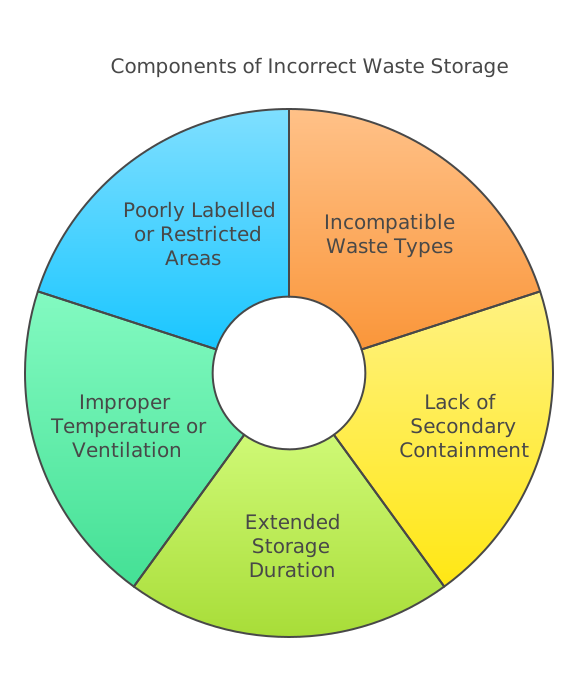
Incorrect waste storage occurs when:
- Incompatible waste types (e.g., acids and bases, flammable and oxidizing materials) are stored together, increasing the risk of chemical reactions.
- Containers lack secondary containment, leading to spills or leaks.
- Waste is stored for too long, violating accumulation time limits under RCRA and state laws.
- Improper temperature or ventilation conditions lead to hazardous buildup or degradation.
- Storage areas are not properly labeled or restricted, increasing safety hazards for employees.
Why It’s a Problem
Improper waste storage can result in:
- Fines and regulatory penalties for non-compliance with EPA and OSHA storage requirements.
- Health and safety hazards, including fires, explosions, or toxic gas releases.
- Environmental contamination due to leaks or spills, leading to costly cleanup.
- Increased liability risks if an accident occurs due to improper storage.
How to Fix It
To ensure proper waste storage practices:
- Segregate waste properly – Follow EPA and OSHA guidelines for storing incompatible materials separately.
- Use secondary containment – Prevent leaks by using spill pallets, berms, or other containment systems.
- Track accumulation times – Monitor how long waste is stored and arrange for disposal before reaching regulatory limits.
- Ensure proper storage conditions – Maintain temperature controls, ventilation, and fire suppression where required.
- Clearly label storage areas – Use signage and restricted access to prevent mishandling by unauthorized personnel.
- Regularly inspect storage areas – Conduct routine checks to ensure compliance and quickly address potential issues.
By implementing these best practices, businesses can prevent accidents, maintain compliance, and streamline their waste disposal processes.
Mistake #4: Using Unverified or Non-Compliant Disposal Vendors
Even if a business follows all waste classification, labeling, and storage requirements, choosing the wrong disposal vendor can still put them at risk. Many companies assume that once waste leaves their facility, it’s no longer their responsibility—but that’s not the case. The waste generator remains liable for proper disposal, even if a third-party vendor mishandles it.
What Happens
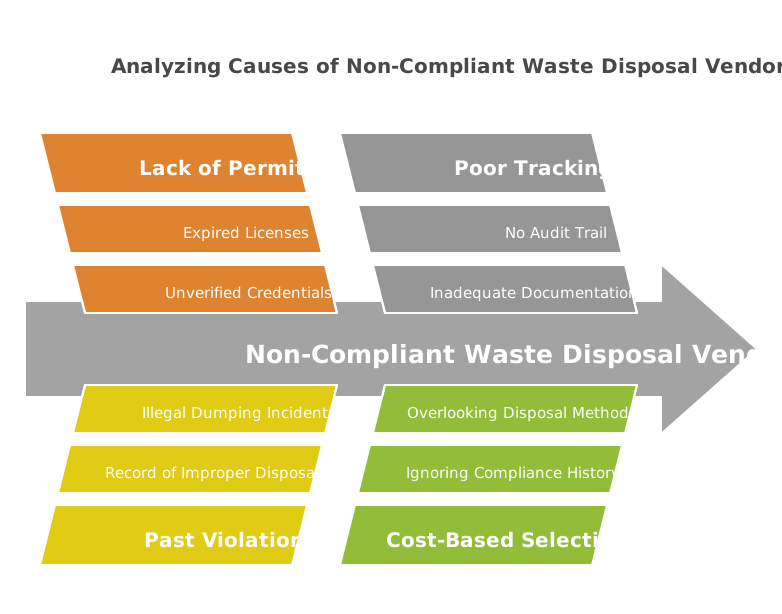
Businesses may unknowingly contract with unverified, unlicensed, or non-compliant waste disposal vendors, leading to issues such as:
- Partnering with a vendor that lacks proper permits for transporting or disposing of hazardous waste.
- Working with a vendor with past violations for improper disposal, illegal dumping, or regulatory non-compliance.
- Failing to track waste movement and final disposal, leaving no audit trail for compliance verification.
- Choosing a vendor based solely on cost, without verifying their compliance history or disposal methods.
Why It’s a Problem
Using an unverified or non-compliant disposal vendor can lead to:
- Regulatory violations and fines, as waste generators are ultimately responsible for proper disposal.
- Environmental damage, if the vendor disposes of waste improperly or illegally.
- Legal and reputational risks, including lawsuits and public scrutiny for mismanaged waste.
- Operational delays, if a vendor loses permits or faces legal action.
How to Fix It
To ensure you work with a trusted and compliant waste disposal provider:
- Verify vendor permits and certifications – Check if the vendor holds valid EPA, DOT, and state-level permitsfor transporting and disposing of regulated waste.
- Review compliance history – Look for past violations or enforcement actions using regulatory databases or request a compliance report.
- Use a transparent waste tracking system – Work with vendors that provide digital tracking and manifesting, ensuring waste is disposed of correctly.
- Choose vendors based on compliance, not just cost – The cheapest option may not always be the safest or most legally sound choice.
- Establish vendor contracts with clear compliance requirements – Set expectations for record-keeping, reporting, and regulatory adherence.
By partnering with a verified, compliant waste disposal vendor, businesses can protect themselves from legal risks, ensure proper waste handling, and maintain full regulatory compliance.
Mistake #5: Failing to Train Employees on Waste Management
Even with the best waste disposal policies in place, they are only as effective as the people implementing them. A lack of proper training is one of the most overlooked yet impactful mistakes businesses make in regulated waste disposal. Without clear guidance, employees may mishandle waste, fail to follow compliance procedures, or unknowingly put their company at risk.
What Happens
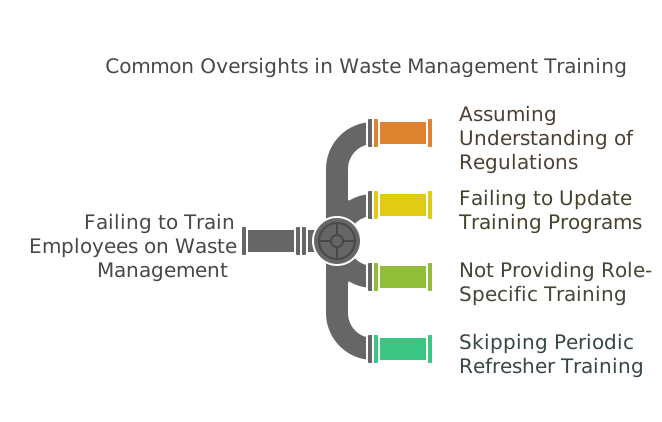
Companies often neglect waste management training by:
- Assuming employees already understand regulations without formal instruction.
- Failing to update training programs to reflect changes in EPA, OSHA, and DOT regulations.
- Not providing role-specific training, leaving some employees unprepared for their responsibilities.
- Skipping periodic refresher training, causing knowledge gaps over time.
Why It’s a Problem
When employees lack proper training, businesses face:
- Compliance violations due to incorrect waste classification, labeling, or storage.
- Increased safety risks, including exposure to hazardous materials or workplace accidents.
- Operational inefficiencies, as employees take longer to handle waste due to uncertainty.
- Legal and financial penalties, since improper waste disposal can lead to costly fines or lawsuits.
How to Fix It
To ensure employees are properly trained in waste management:
- Develop a formal waste management training program – Cover classification, labeling, storage, and disposal regulations.
- Offer role-specific training – Teach employees how their responsibilities impact compliance.
- Provide regular refresher courses – Update employees on regulatory changes and reinforce best practices.
- Use interactive training methods – Incorporate hands-on training, digital courses, and real-world case studies.
- Test knowledge and track training completion – Maintain records of employee training to demonstrate compliance during audits.
By investing in comprehensive employee training, businesses can minimize compliance risks, improve operational efficiency, and create a safer workplace.
Conclusion
Properly managing regulated waste disposal is not just about following the law—it’s about protecting the environment, maintaining workplace safety, and avoiding costly penalties. Many businesses make avoidable mistakes, but with the right processes in place, compliance can be streamlined and stress-free.
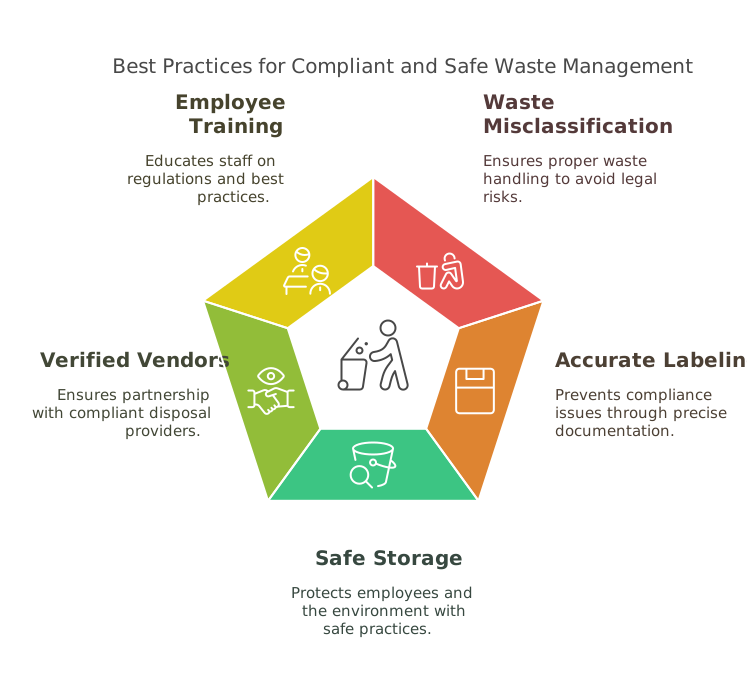
To recap, the top five mistakes in regulated waste disposal are:
- Misclassifying waste – Know the proper waste classifications to avoid legal risks.
- Improper labeling & documentation – Keep accurate records to prevent compliance issues.
- Storing waste incorrectly – Follow safe storage guidelines to protect employees and the environment.
- Using unverified disposal vendors – Partner with compliant, reputable waste disposal providers.
- Failing to train employees – Ensure your team understands regulations and best practices.
By addressing these common pitfalls, businesses can improve their waste management processes, reduce regulatory risks, and operate more sustainably.
Need help with waste disposal compliance? Wastebits provides digital waste tracking solutions to simplify compliance and streamline waste management. Contact us today to learn how we can help your business stay on top of regulated waste disposal!
