

Note: This article is intended as a neutral analysis of potential ESG impacts under a Trump presidency. It does not reflect a political stance but rather provides insights into the evolving regulatory and corporate sustainability landscape to help businesses prepare accordingly.
As 2025 unfolds and America begins the 4-year term of a new president, corporate sustainability efforts are encountering new challenges and opportunities. With Donald Trump’s return to the presidency, the federal approach to Environmental, Social, and Governance (ESG) policies is shifting, leaving businesses to navigate an evolving regulatory landscape. One of this administration’s key priorities has been rolling back DEI (Diversity, Equity, and Inclusion) initiatives and reducing ESG-related requirements, sparking concerns about the future of corporate sustainability.
Sustainability remains a crucial component of business success.
While some companies may see these changes as an opportunity to reduce compliance burdens, others worry about the potential long-term consequences, including investor concerns, reputational risks, and state-level regulatory conflicts. Despite the uncertainty, sustainability remains a crucial component of business success—not just from a compliance perspective, but as a strategic driver of efficiency, cost savings, and brand reputation.
In this article, we’ll explore what Trump’s second term means for ESG initiatives, what businesses can expect in the coming years, and why corporate sustainability remains a smart investment regardless of regulatory shifts. We’ll also highlight how Wastebits’ solutions help companies achieve sustainability goals, improve waste management, and create cost-effective landfill diversion strategies that benefit businesses, employees, and surrounding communities.
Key Changes to ESG Under Trump 2.0
As President Trump begins his second term, significant shifts in ESG-related policies are already taking shape. The administration’s stance on deregulation, corporate governance, and environmental policy signals a retreat from the ESG-focused agenda that gained traction in previous years. Here are some of the most notable changes businesses should expect:
1. Regulatory Rollbacks and Reduced Oversight
One of the administration’s primary objectives is to loosen federal ESG-related regulations, particularly those that impact corporate reporting and financial disclosures. Under the Biden administration, the SEC (Securities and Exchange Commission) proposed rules requiring companies to disclose climate-related risks, including emissions data and sustainability goals. The Trump administration is expected to either repeal or significantly scale back these requirements, making ESG reporting less of a federal mandate and more of a voluntary initiative.
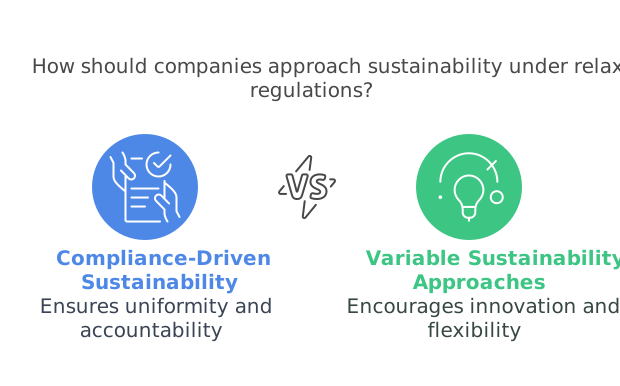
Additionally, environmental regulations—particularly those affecting the energy sector, emissions reporting, and corporate sustainability mandates—are likely to be relaxed. This could reduce compliance burdens for some industries while creating greater variability in how companies approach sustainability.
2. The DEI Backlash and Its Ripple Effect on ESG
The Trump administration has already taken steps to eliminate DEI initiatives within the federal government, and this move is expected to influence corporate ESG strategies as well. Many companies that had integrated DEI efforts as part of their broader ESG commitments may find themselves reevaluating these programs due to shifting investor priorities, legal challenges, and evolving state laws.
While some businesses may choose to scale back DEI efforts in response to regulatory changes, others will maintain their focus on diversity and inclusion, especially in industries where workforce diversity remains a critical competitive advantage. The key challenge for businesses will be balancing regulatory compliance with stakeholder expectations, as investors, employees, and consumers continue to value ESG-aligned corporate policies.
3. Legal and Compliance Considerations for Businesses
Despite federal deregulation, ESG-related legal risks are not disappearing—they’re simply evolving. Businesses must remain aware of:
- State and local ESG mandates: Even as federal oversight decreases, states like California, New York, and Washington continue to enforce stringent sustainability and climate disclosure requirements. Companies operating in these states will still need to comply with regional ESG laws, regardless of changes at the federal level.
- Investor-driven ESG expectations: Many institutional investors and asset management firms continue to prioritize ESG as part of their investment strategies, and companies that disregard sustainability efforts may face decreased investor interest or difficulty securing capital.
- Consumer demand for sustainable practices: Regardless of political shifts, many consumers are more sustainability-conscious than ever. Brands that maintain strong ESG commitments often enjoy higher customer loyalty and positive public perception.
What This Means for Businesses
While the regulatory burden on ESG may be easing at the federal level, the market forces driving sustainability remain strong. Companies that proactively manage environmental risks, optimize waste streams, and implement sustainable business practices will be well-positioned to maintain compliance, attract investors, and build long-term resilience—regardless of the political climate.
In the next section, we’ll explore why ESG still matters for businesses and how sustainability efforts continue to offer financial, operational, and reputational benefits in today’s evolving landscape.
Why ESG Still Matters for Businesses
Despite the regulatory shifts under the Trump administration, ESG remains a critical priority for businesses—not just for compliance, but as a strategic driver of financial performance, risk management, and brand reputation.
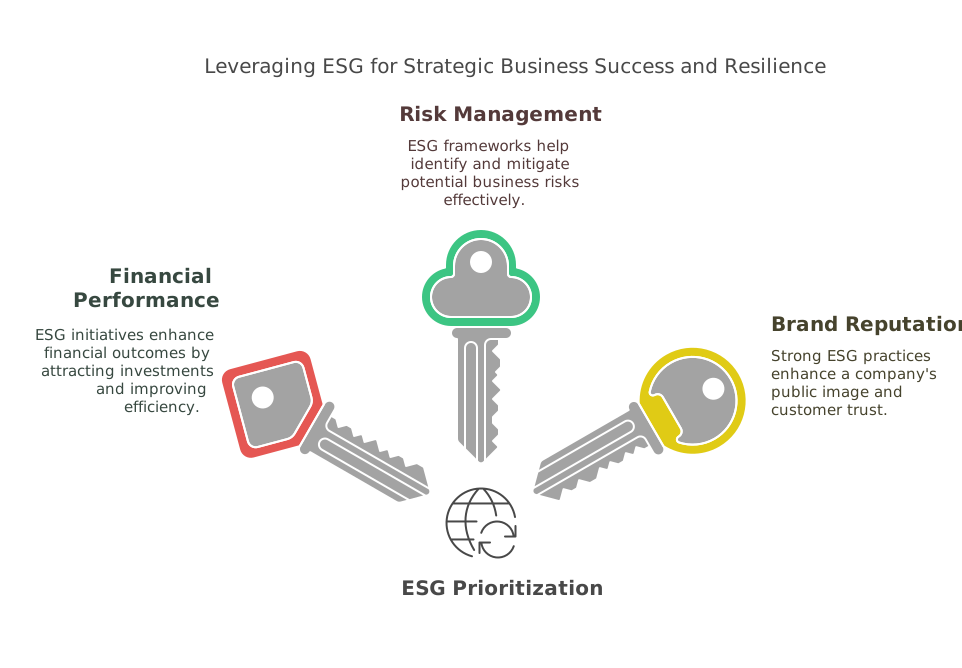
While some companies may feel that relaxed federal oversight allows them to scale back sustainability initiatives, others recognize that market forces, investor expectations, and long-term cost savings still make ESG a smart business strategy. Here’s why ESG continues to matter:
1. Market & Investor Expectations Haven’t Changed
Even with reduced government mandates, investors and financial markets still prioritize ESG performance. Asset managers, institutional investors, and private equity firms have baked ESG metrics into their risk assessments and portfolio decisions, meaning that companies that abandon sustainability commitments could face capital disadvantages.
Major investment firms such as BlackRock, Vanguard, and State Street continue to push for ESG accountability, not due to regulatory requirements, but because climate risks and corporate governance are seen as long-term financial risks. Companies that proactively address these factors remain attractive to investors, while those that ignore ESG may see a decline in funding opportunities.
2. ESG as a Competitive Advantage
Beyond compliance, ESG initiatives provide a strategic advantage in a competitive marketplace:

- Cost Savings Through Efficiency: Sustainable practices, such as reducing waste, improving energy efficiency, and optimizing supply chains, lead to lower operational costs over time.
- Brand Reputation & Consumer Trust: Studies show that consumers prefer brands that align with their values, and sustainability remains a top concern for many. Companies that continue prioritizing ESG will differentiate themselves from competitors.
- Talent Acquisition & Retention: Many employees—especially younger generations—want to work for companies that demonstrate a commitment to social and environmental responsibility. Strong ESG policies enhance employee satisfaction and reduce turnover rates.
3. Operational & Financial Benefits of Sustainable Waste Solutions
One of the most tangible and immediate ways businesses can see financial benefits from ESG is through improved waste management and landfill diversion strategies. Sustainability in waste management isn’t just about being environmentally responsible—it’s about saving money, optimizing resources, and reducing liabilities.
- Landfill Diversion = Cost Reduction: Diverting waste from landfills can lead to significant savings in disposal fees and regulatory costs. Many companies repurpose waste streams, recycle materials, or generate energy from waste, creating economic value from what was once a cost center.
- Regulatory & Compliance Benefits: Even as federal regulations ease, state-level and international standards remain strict. Proactively managing waste streams and emissions keeps businesses ahead of compliance requirements, avoiding future penalties or last-minute costly adjustments.
- Community & Stakeholder Relations: Companies that implement effective sustainability programs improve their standing with local governments, communities, and advocacy groups. This can lead to better relationships, fewer disputes, and improved public perception.
The Bottom Line
While the current administration may be shifting ESG regulations, the fundamental business case for sustainability remains strong. Investors, consumers, and employees continue to value responsible corporate behavior, and sustainable waste management presents a clear opportunity for businesses to reduce costs, mitigate risks, and drive efficiency.
In the next section, we’ll explore how Wastebits is helping companies navigate this new ESG landscape by providing innovative, cost-effective sustainability solutions that support both business goals and environmental responsibility.
Wastebits’ Role in ESG & Sustainability Solutions
As businesses navigate the changing ESG landscape under the Trump administration, they must determine how to balance sustainability with operational efficiency. While federal regulations may be loosening, sustainability remains a crucial factor for investor confidence, cost management, and long-term business resilience. Wastebits is here to help companies turn sustainability challenges into opportunities by providing smart waste management solutions that align with both financial and environmental goals.
1. Helping Companies Stay Ahead of ESG Changes
With shifting regulations, many businesses are wondering: Should we continue investing in ESG initiatives? The answer is a resounding yes—but with a focus on practical, cost-effective strategies that drive real business value. Wastebits provides:
- Data-Driven Waste Management Insights – Our platform enables businesses to track, manage, and analyze their waste streams, helping them make informed decisions about landfill diversion, recycling, and waste-to-energy solutions.
- Compliance Support Across Regulatory Jurisdictions – While federal ESG policies may be evolving, state and local regulations remain in place. Wastebits helps businesses navigate these complexities, ensuring they stay ahead of compliance risks.
- Scalability for Large and Small Businesses – Whether you’re a national corporation or a regional manufacturer, Wastebits’ solutions are tailored to meet your specific sustainability and operational needs.
2. Turning Waste Challenges into Business Opportunities
Sustainability in waste management is more than just a regulatory requirement—it’s a way to cut costs, improve efficiency, and even generate revenue. Wastebits provides businesses with:
- Landfill Diversion & Circular Economy Solutions – We help businesses identify opportunities to repurpose waste streams, reducing disposal costs and turning waste into usable materials.
- Sustainable Waste-to-Energy Programs – Instead of sending waste to landfills, businesses can explore energy recovery options that convert waste into power or industrial fuel, creating a more sustainable and profitable waste management strategy.
- Custom Sustainability Programs – Wastebits works with companies to develop tailored solutions that align with their operational and environmental goals, ensuring waste reduction efforts provide measurable business benefits.
In the final section, we’ll discuss what the future holds for ESG and sustainability in business, and why companies should continue prioritizing waste management as a core component of their strategy.
The Future of ESG & Sustainability in Business
The evolving ESG landscape under the Trump administration presents both challenges and opportunities for businesses. With regulatory rollbacks and shifting federal priorities, some companies may feel less pressure to invest in sustainability initiatives. However, as we’ve explored, the fundamental drivers of ESG—investor expectations, consumer demand, operational efficiencies, and cost savings—are not going away.

Even as federal oversight decreases, state-level mandates, market forces, and corporate responsibility efforts continue to shape the sustainability landscape. Businesses that proactively manage their environmental impact, optimize waste streams, and implement cost-effective sustainability solutions will be best positioned for long-term success.
Why Businesses Should Continue Prioritizing ESG & Waste Sustainability
- Investor Confidence & Financial Performance – ESG remains a key consideration for investors, lenders, and stakeholders, influencing funding opportunities and business valuation.
- Regulatory Uncertainty & State-Level Compliance – While federal mandates may be easing, many states and local governments are increasing their environmental requirements, meaning businesses must stay adaptable.
- Operational Efficiency & Cost Savings – Sustainable waste management strategies, such as landfill diversion, recycling, and waste-to-energy programs, not only support ESG goals but also cut costs and drive efficiency.
- Corporate Reputation & Brand Trust – Consumers, employees, and partners still expect businesses to demonstrate environmental responsibility, making sustainability efforts a powerful differentiator in the marketplace.
Partnering with Wastebits for Sustainable Success
Wastebits empowers businesses to turn sustainability goals into actionable, financially sound strategies. Our waste management solutions help companies:
- Reduce landfill dependence and disposal costs
- Improve waste tracking and compliance
- Identify new opportunities for waste repurposing and recycling
- Create measurable sustainability impact for their brand and stakeholders
As the ESG landscape continues to evolve, businesses that invest in smart, cost-effective sustainability initiatives will maintain competitive advantages, improve financial performance, and build long-term resilience.
Don’t let regulatory uncertainty slow down your sustainability progress. Contact Wastebits today to explore how we can help your business navigate ESG changes while reducing costs and optimizing waste management.

Stay Ahead of the Game
Get the Monthly Waste & Sustainability Newsletter
Don't miss out on our latest news and offers.
Subscribe today. Unsubscribe anytime.


